
Being part of a band or establishing oneself as a solo artist is a multifaceted journey that extends far beyond the ability to play an instrument or sing on pitch. It is an intricate ecosystem that balances raw artistic expression with technical discipline and shrewd business acumen. Whether you are an emerging garage band or a seasoned act looking to cement a legacy, understanding the interplay between creativity, production, and professional management is essential.
Success in the modern music industry requires artists to wear multiple hats: the visionary songwriter, the disciplined studio technician, the captivating live performer, and the pragmatic business partner. This resource delves into the critical components that define the lifecycle of successful bands and artists, offering strategies to navigate the complexities of a global music career while preserving mental health and artistic integrity.
At the heart of every successful act lies the song. However, the process of creating memorable music varies wildly from one group to another. Finding the right workflow is often more important than technical skill. For instance, understanding your internal dynamics—whether you operate with a collaborative tension similar to the Lennon and McCartney approach or a more singular vision—can dictate how productive your writing sessions will be.
In an era where digital audio workstations (DAWs) offer infinite tracks and effects, paralysis by choice is a real threat. History shows that restriction often breeds the greatest creativity. Many legendary albums from the 1960s were produced on four-track recorders, forcing bands to make decisive arrangement choices early in the process. Adopting a mindset of limitation—such as committing to a specific number of tracks or using strict analog-style constraints—can clarify musical ideas and prevent over-production.
Beyond the single track, there is the art of the album. Writing a concept album requires a delicate balance; it must tell a cohesive story without slipping into pretension. This often involves using sonic textures to glue tracks together. Adding non-musical sounds, such as clocks, registers, or ambient noise, can create an immersive atmosphere that transports the listener, turning a collection of songs into a unified experience.
Once the songs are written, the challenge shifts to capturing them. The studio environment presents a unique set of dilemmas, primarily the « Studio-Only » question: can a modern band survive without touring, focusing solely on recorded output? While possible, it requires a mastery of sonic detail that replaces the energy of a live show.
Achieving a professional mix often comes down to how sound is captured at the source. For example, when chasing a massive drum sound, room microphones are frequently more critical than close mics, as they capture the natural reverb and power of the kit in a physical space. Similarly, orchestrating an « armyofguitars » requires careful frequency management to avoid a muddy mix. It isn’t just about layering; it’s about EQ and arrangement choices that allow each part to breathe.
Detailed production work creates the ear candy that keeps listeners returning. This might involve dialing in a specific lead tone with infinite sustain or stacking three-part harmonies that blend seamlessly. Even the use of dynamic contrast—light and shade—ensures that heavy sections hit harder by comparison. For experimental artists, techniques like creating psychedelic tape loops within a digital environment can bridge the gap between vintage warmth and modern precision.
Taking music to the stage requires a shift in mindset from perfection to connection. A live show is a visual and auditory experience where logistics can make or break a tour’s profitability.
Structuring a setlist is an art form. The goal is to extend songs and jam without losing the audience’s interest, while carefully balancing timeless hits with new material. Sequencing is vital; you must ensure the energy flows so that listeners don’t tune out during slower numbers. visually, the choice between lasers, projection mapping, or traditional lighting depends on the psychedelic or raw nature of the music, but it must always serve the song, not distract from it.
Touring involves high stakes financial decisions. From deciding between a private jet or a nightliner to understanding why international headliners demand complex fees, the logistics are brutal. One famous example of logistical safety is the « BrownM&Ms » clause in riders. Far from being a diva request, it served as a safety check to ensure that venue promoters had read the technical specifications regarding weight limits and electrical requirements. Ignoring these details, or missing strict curfews, can cost bands thousands of dollars per minute in fines.
The most fragile element of any band is the human element. The pressure of fame, creative disputes, and the grind of the industry can fracture even the strongest relationships.
Disputes over creative control are inevitable. Recognizing the « DictatorTrap »—where one member’s vision stifles the group—is crucial for longevity. Successful bands implement mechanisms to handle these disputes before they lead to a breakup. Furthermore, the people you surround yourself with matter; the « entourageerror » is a common pitfall that has bankrupted a significant percentage of successful rock stars due to mismanagement and siphoned resources.
The psychological toll of performing is immense. Some artists find that creating an alter ego provides a necessary separation between their public persona and private self, protecting their mental health. Ultimately, every artist faces the decision of how to manage their career arc: determining the right moment for a reunion tour or deciding whether to fade away gracefully or burn out, all while striving to preserve a legendary legacy.
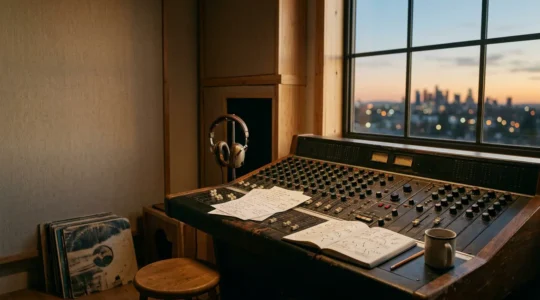
The secret to a timeless concept album isn’t the complexity of its story, but the coherence of its sensory world. Narrative emerges from atmosphere, texture, and psychoacoustic cues, not just lyrics. Track sequencing and transitions act as « narrative punctuation, » guiding…
Lire la suite
Transforming blues into heavy rock isn’t about more distortion or speed; it’s about adopting a producer’s mindset to sculpt sonic weight and emotional impact. Heaviness comes from creating space and depth in the sound, not just from volume. This starts…
Lire la suite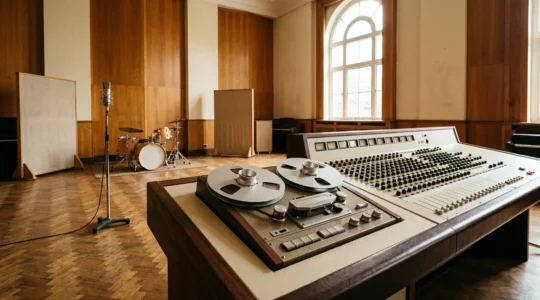
Contrary to popular belief, The Beatles’ creative genius wasn’t magic; it was a system born from technical limitations that modern producers can replicate to escape digital overload. Restricting track counts forces stronger, more decisive arrangement choices by reducing cognitive load….
Lire la suite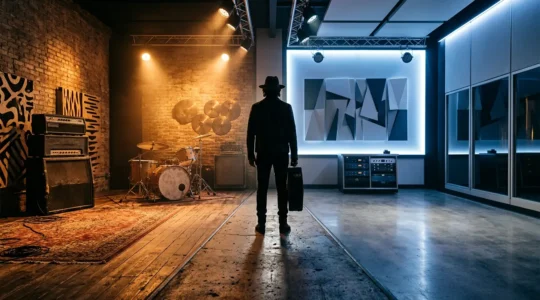
Many aspiring artists believe you must choose between artistic integrity and commercial success. This is a false dichotomy. The real key to a lasting career is not fighting the system, but building strategic « firewalls »—psychological, financial, and operational systems that protect…
Lire la suite