
Music is rarely just background noise; for enthusiasts and creators alike, it is an immersive discipline that spans technical understanding, historical context, and logistical planning. Whether you are an audiophile seeking the perfect soundstage, a festival-goer preparing for a weekend in the mud, or a musician trying to fill a local venue, the depth of the musical experience is vast. Understanding the mechanics behind the music—from the physics of sound waves in a room to the economic reality of booking a tour—transforms a passive hobby into an active passion.
This resource explores the multifaceted world of music culture. We delve into the technicalities of high-fidelity listening, the complex infrastructure required to keep massive festivals running, the historical lessons learned from iconic events like Woodstock, and the gritty reality of building a career in the modern indie scene. By mastering these elements, you gain a holistic view of the industry and a deeper appreciation for the art form.
True immersion requires more than just hitting play; it demands a conscious effort to remove barriers between the listener and the artist’s intent. In an era of compressed audio and distraction, reclaiming the quality of sound is a radical act. Active listening transforms an album from a collection of songs into a cohesive narrative, especially when engaging with concept albums designed to be consumed as a whole.
Even the most expensive equipment cannot correct a poor listening environment. Room reflections are often the silent killer of high-fidelity audio. When sound waves bounce off hard surfaces like windows and bare walls, they create interference that muddies the frequency response. Treating your room involves managing these reflections to ensure that what you hear is coming directly from the speakers, not the echoes of your architecture. Simple adjustments, such as positioning absorption panels or diffusing sound, can reveal details in a mix that were previously inaudible.
The debate between open-back and closed-back headphones is fundamental to how we perceive the soundstage. Open-back designs allow air to pass through the ear cups, creating a spacious, natural sound that mimics listening to loudspeakers, whereas closed-back models isolate the listener, providing punchier bass and privacy. Furthermore, the source material matters. While convenient, lossy formats often discard data considered « inaudible. » Choosing lossless formats like FLAC ensures that the digital file retains the full dynamic range of the studio master. Finally, eliminating distractions is crucial; the « smartphonemistake » of scrolling while listening breaks the psychological immersion necessary to truly appreciate complex compositions or experience the psychoacoustic effects of listening in total darkness.
Festivals are often romanticized as spontaneous gatherings of peace and music, but the reality is a high-stakes logistical operation. Looking back at history provides critical context for the modern festival landscape. The original Woodstock serves as both a cultural beacon and a cautionary tale regarding infrastructure. What was a victory for counter-culture was, in reality, a financial disaster driven by the decision to declare the festival « free » when fences failed.
The chaos of Woodstock—marked by food shortages and traffic gridlock—would be impossible to replicate in today’s strict regulatory climate. Modern safety standards and permit requirements mean that the « happyaccidents » of the past would result in immediate shutdowns today. However, studying these events reveals how booking decisions defined the careers of legends like Santana and Hendrix, and how documentaries often sanitize the reality of mud and hunger to perpetuate the myth. Understanding this history helps us ask if a similar cultural phenomenon could ever occur in the fragmented internet age.
Today’s major festivals, such as Glastonbury, are triumphs of city planning. The real headliners are often the infrastructure: water supply, waste management (porta-potties), and security. For the attendee, preparation is the difference between a life-changing weekend and an ordeal.
For those on the stage rather than in the crowd, the music industry presents a different set of challenges. Talent is only one part of the equation; logistical savvy and professional etiquette are equally important for growth. Whether it is writing a guitar riff that defines a song or managing the business side of a band, the DIY approach requires versatility.
How do you ensure people actually show up to a local indie show? The debate between digital promotion and physical posters continues, but a hybrid approach is often best. Supporting other bands is not just good karma; it is the most effective way to cross-pollinate fanbases. Furthermore, understanding the deal structures—ticket quotas versus guaranteed fees—can protect a band from financial loss. Effective lighting strategies also play a surprising role; poor stage lighting can make merchandise invisible to departing fans, directly impacting revenue.
Technical proficiency extends to the soundcheck. Knowing how to check lines efficiently in 15 minutes without annoying the sound engineer is a soft skill that gets bands rebooked. It demonstrates respect for the venue’s staff and ensures the best possible sound for the audience.
From the physics of a guitar string to the queue for a festival toilet, the world of music is interconnected. By exploring these topics deeply, we move beyond being passive consumers to becoming informed participants in a vibrant global culture. Whether you are tweaking your home studio or packing your rucksack for a summer weekender, knowledge is the amplifier of experience.
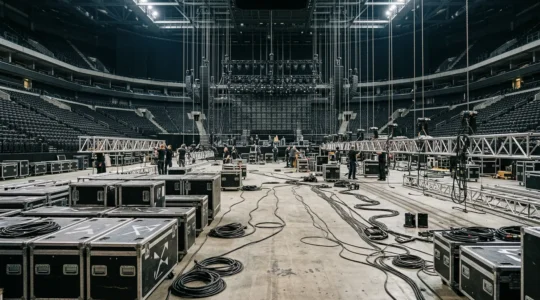
An international tour’s rider isn’t a list of luxuries; it’s a financial risk assessment where a bowl of M&Ms can be as critical as structural engineering. Multi-million dollar fees aren’t arbitrary, but calculated risk-transfers from the artist to the promoter…
Lire la suite
Promoting your local show isn’t about how loud you shout online; it’s about who you bring together on the bill and in the audience. Collaborating with other bands is your most powerful promotional tool, not a last resort or an…
Lire la suite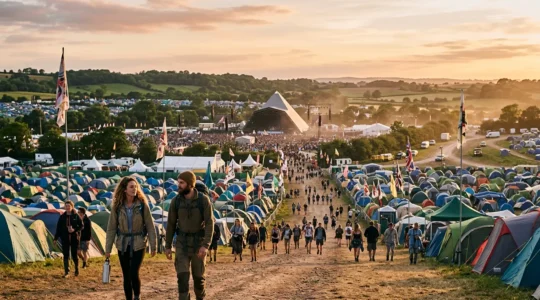
The overwhelming chaos of planning for a mega-festival like Glastonbury isn’t a challenge of endurance, but a test of strategy. This guide moves beyond simple packing lists to provide an operational mindset. By understanding the systems behind ticketing, sound engineering,…
Lire la suite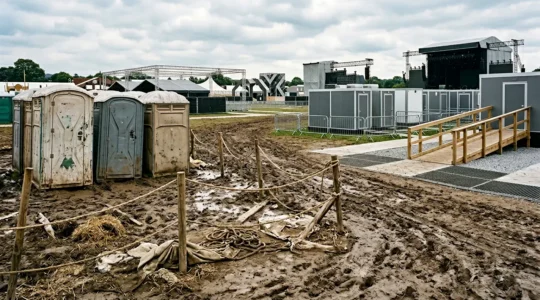
While Woodstock is celebrated as a moment of spontaneous counter-cultural magic, its legendary chaos was a direct result of operational negligence that is now legally impossible and ethically unthinkable. Basic infrastructure like sanitation and water failed catastrophically, violating every modern…
Lire la suite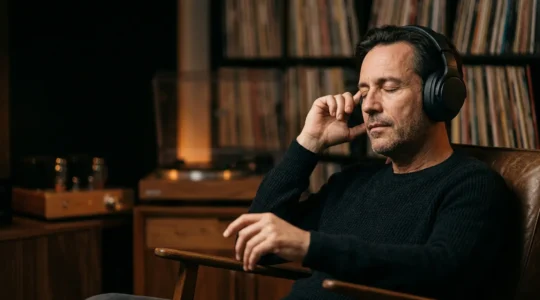
The inability to focus on a full album isn’t a personal failing but a mismatch between a brain wired for distraction and an art form that demands deep engagement. Deep listening is an act of « cognitive stage-setting, » not willpower; it…
Lire la suite